
Italy Destinations, Region by Region
Where to go and why, from the Vatican to the Valley of the Temples. Every region links to sample adventures you can open and reshape.
Home / Destinations
Twenty Regions, One Planner Who Knows Them
Italy rewards the traveler who chooses well. Rome and Florence for the art. The Amalfi Coast and Capri for the sea. Lake Como for the villas. The Langhe and Chianti for the wine. Puglia, Sicily, Abruzzo and Friuli for the trip your friends have not taken yet.
Below, region by region, is what we arrange there and the sample adventures that pass through it. Open any of them in the adventure builder, or tell us where you want to go and we will design the route from a blank page.
Not sure where to go? That is our job.
Tell us the season and the kind of days you love. We suggest the route.
Rome and Lazio · Florence and Tuscany · The Amalfi Coast, Capri and Naples · Venice, the Veneto and the Dolomites · Lake Como, Milan and the Lakes · Cinque Terre and the Italian Riviera · Piedmont and the Langhe · Bologna, Parma and Emilia-Romagna · Umbria · Puglia and Matera · Sicily · Friuli Venezia Giulia · Abruzzo
Rome and Lazio
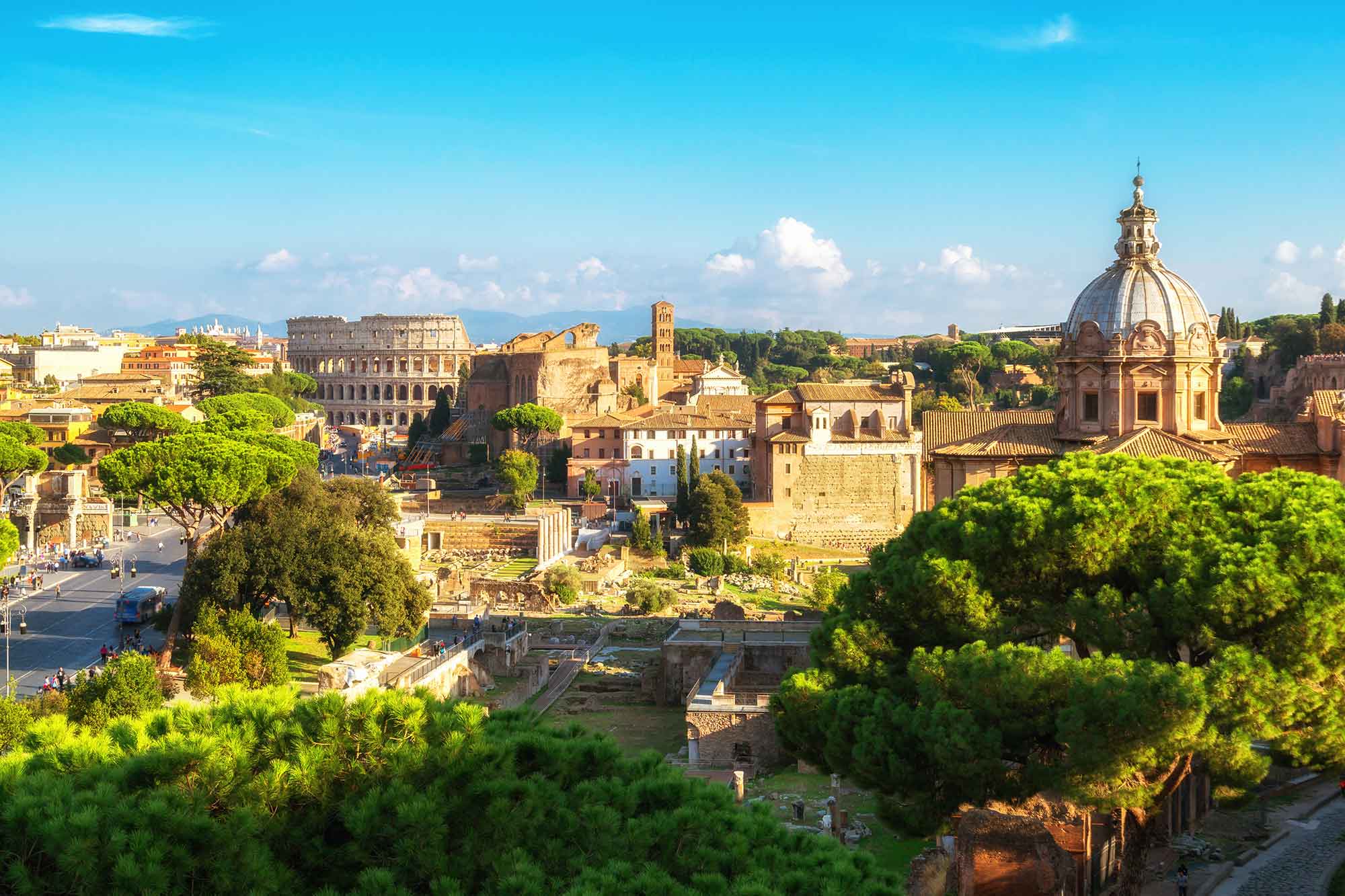
We hold timed entry to the Vatican Museums early, before the galleries fill, and walk the Colosseum and the Forum with a guide who still stops at the same spot for the view. Afternoons for the Pantheon and Piazza Navona. Evenings in Trastevere, where dinner runs late and nobody minds.
Beyond the city, Etruscan Tarquinia, Villa Farnese at Caprarola and the gardens of Villa Lante are an easy day with a driver.

Florence and Tuscany
Florence for the Uffizi, the David and the view from Piazzale Michelangelo. Then the hills: the Chianti castle road, Brunello in Montalcino, Vino Nobile under the Renaissance cellars of Montepulciano, and the cypress roads of the Val d’Orcia at sunset.
Most travelers stay in the countryside and visit the towns by day: Siena’s Campo, San Gimignano’s towers, Cortona above the Val di Chiana.
The Amalfi Coast, Capri and Naples
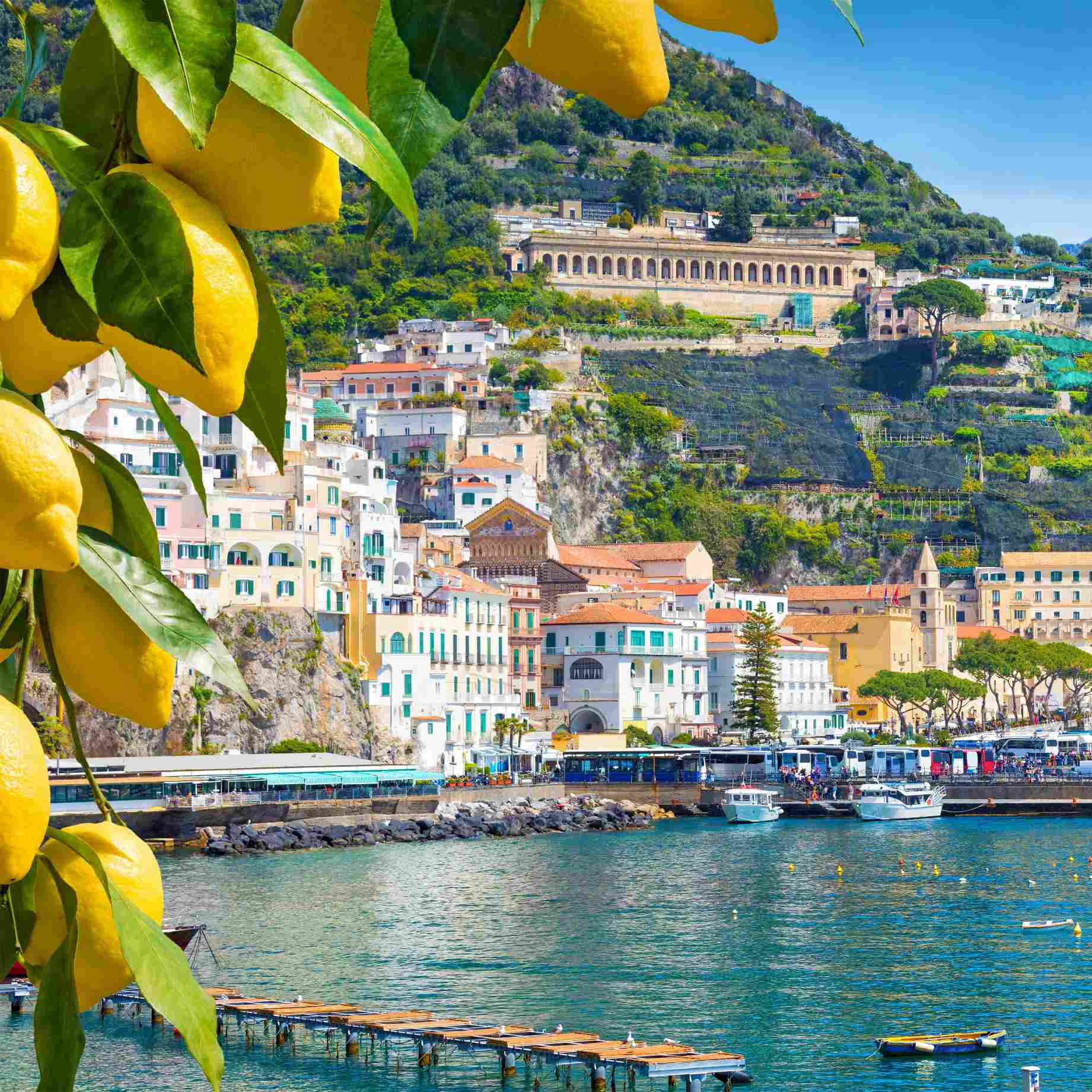
Positano’s houses stacked above the sea, Ravello’s gardens, lemons the size of a fist. The coast road is slow in summer, so we move you by private boat, with a swim stop and lunch on Capri. Pompeii with a guide, a pasta lunch on the slopes of Vesuvius, and Naples for pizza where it began.
Sorrento and the countryside above it make a calm base for families.
Venice, the Veneto and the Dolomites
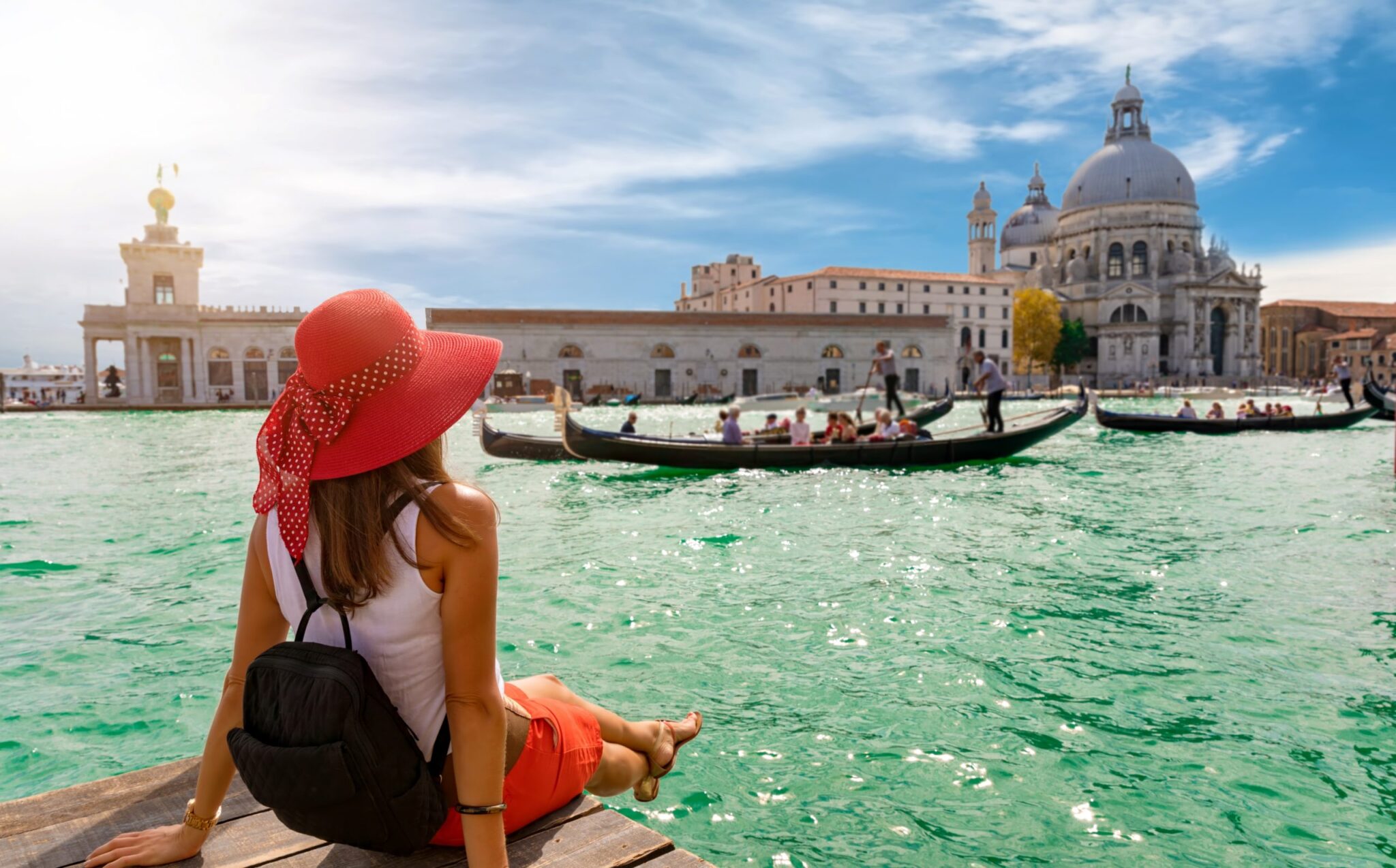
Arrive by water taxi to the hotel door. Cicchetti and a spritz in the bacari near the Rialto, St. Mark’s and the Doge’s Palace with a Venetian guide, then Murano for the glass and Burano for the painted houses. Verona’s Roman Arena and the Amarone cellars of Valpolicella are an hour west.
To the north, the Dolomites: Val Gardena and Cortina, with snow in winter and alpine meadows from June.
Lake Como, Milan and the Lakes
Lake Como by private boat, village to village: Bellagio, Varenna, Tremezzo and the villa gardens in between. Milan for the Last Supper, the Duomo’s rooftop and the Navigli at aperitivo hour. Lake Garda’s Sirmione and Lake Maggiore’s Borromean Islands are close enough to add.
Late spring, when the azaleas are out in the villa gardens, and September are the loveliest months on the lakes.

Cinque Terre and the Italian Riviera
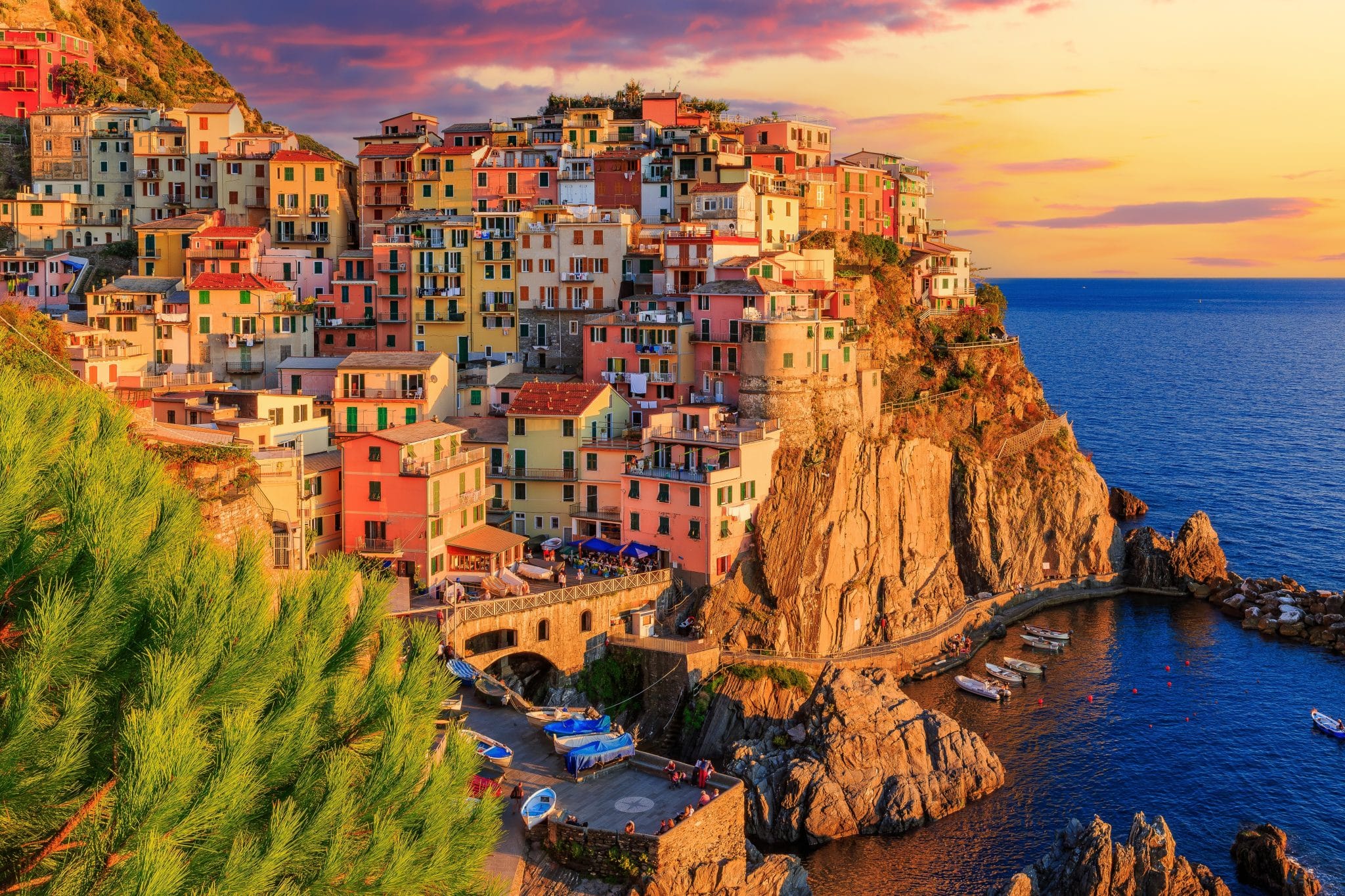
Five villages on the cliffs above the Ligurian Sea, joined by footpaths, boats and a little train. Walk from Vernazza to Monterosso, swim from the rocks, and eat trofie with pesto where basil grows on the terraces. Portofino and Santa Margherita Ligure sit along the coast to the north.
Spring and September are the best months; we time the walks for the cooler hours.
Piedmont and the Langhe
Barolo, Barbaresco and the hills between them. In the Langhe, tastings are often poured by the people who made the wine, and October brings the white truffle market in Alba. Turin adds royal palaces, chocolate and some of Italy’s grandest cafes.
A slower, quieter wine country, and a favorite second trip for travelers who already know Tuscany.

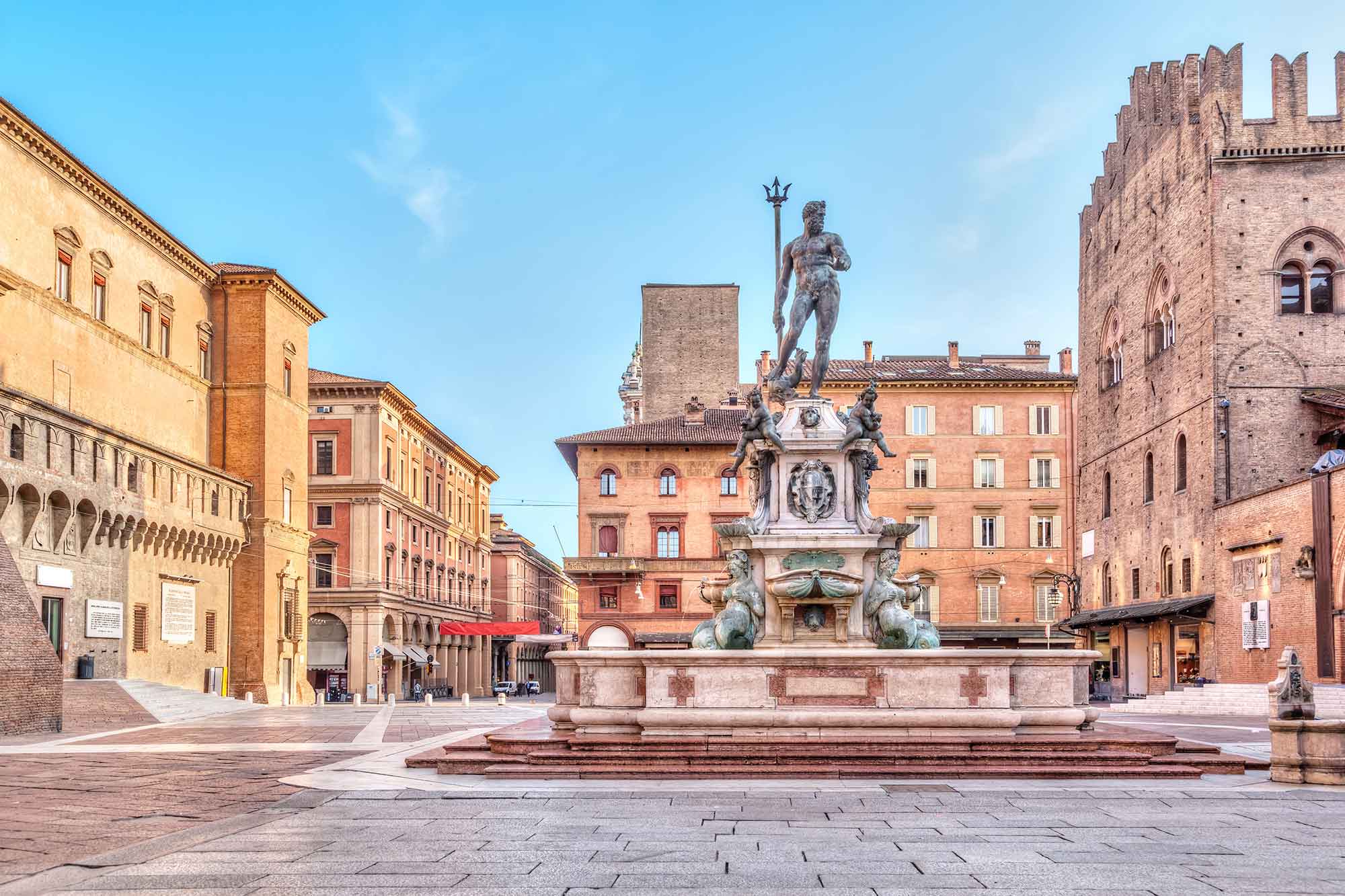
Bologna, Parma and Emilia-Romagna
Italy’s food heartland. Parmigiano Reggiano at the dairy at dawn, prosciutto in Parma, traditional balsamic in Modena, and tortellini rolled by hand in Bologna, where the food tour is the one travelers talk about most. Ravenna’s mosaics glitter an hour east.
Easy to fold into a trip between Florence and Venice.
Umbria
Green hills, hill towns and fewer crowds than Tuscany next door. Giotto’s frescoes in Assisi, the cathedral facade at Orvieto, Perugia’s chocolate, and Todi and Spello on their ridges. Truffles, olive oil and Sagrantino from Montefalco at the table.
Umbria pairs naturally with Rome or Tuscany.

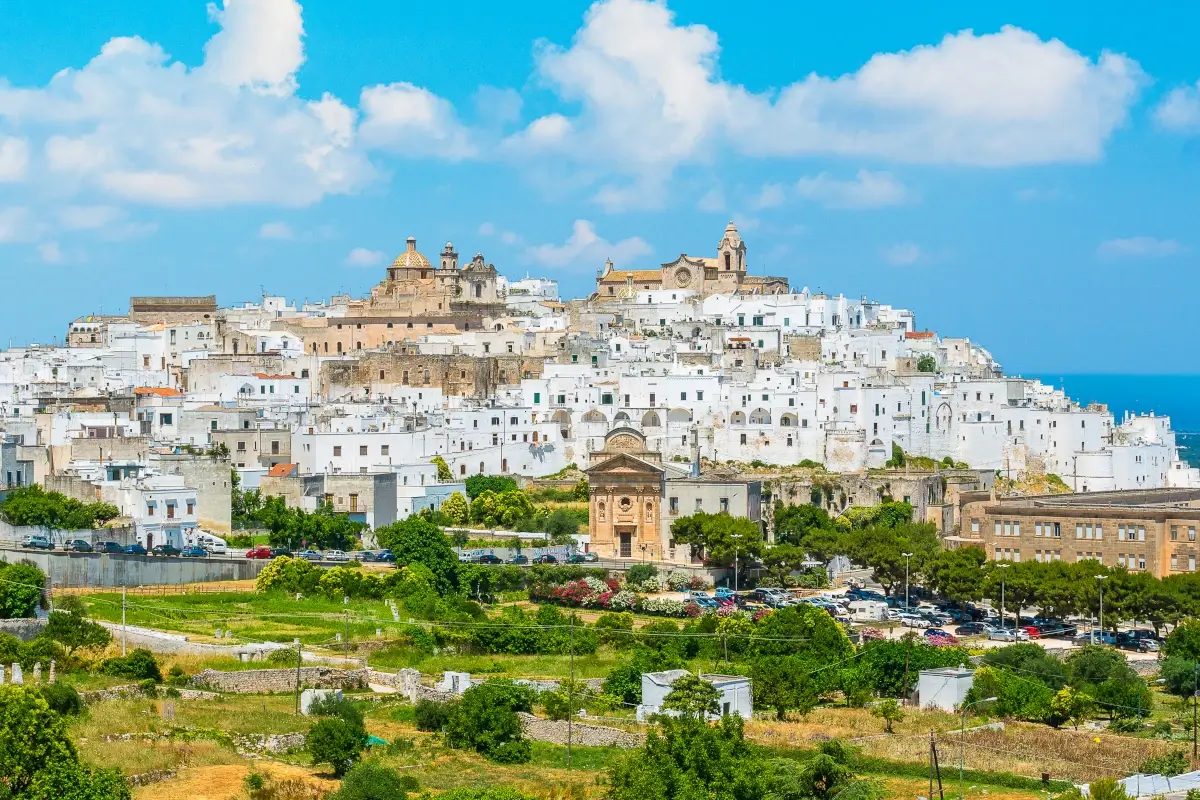
Puglia and Matera
Whitewashed Ostuni, the golden Baroque of Lecce, the trulli of Alberobello and the clear water from Otranto down to Santa Maria di Leuca. Across the border in Basilicata, the cave houses of the Sassi in Matera, lit up at night.
Masserie, the fortified farmhouses turned country hotels, make lovely bases.
Sicily
Palermo’s markets and Monreale’s gold mosaics. The Greek temples at Agrigento, the Roman mosaics of Piazza Armerina, Baroque Noto, Ragusa and Modica in the southeast, and Ortigia’s honey-colored lanes in Syracuse. Taormina’s Greek Theatre faces Etna across the bay.
Ten to twelve days lets you see both coasts without rushing.

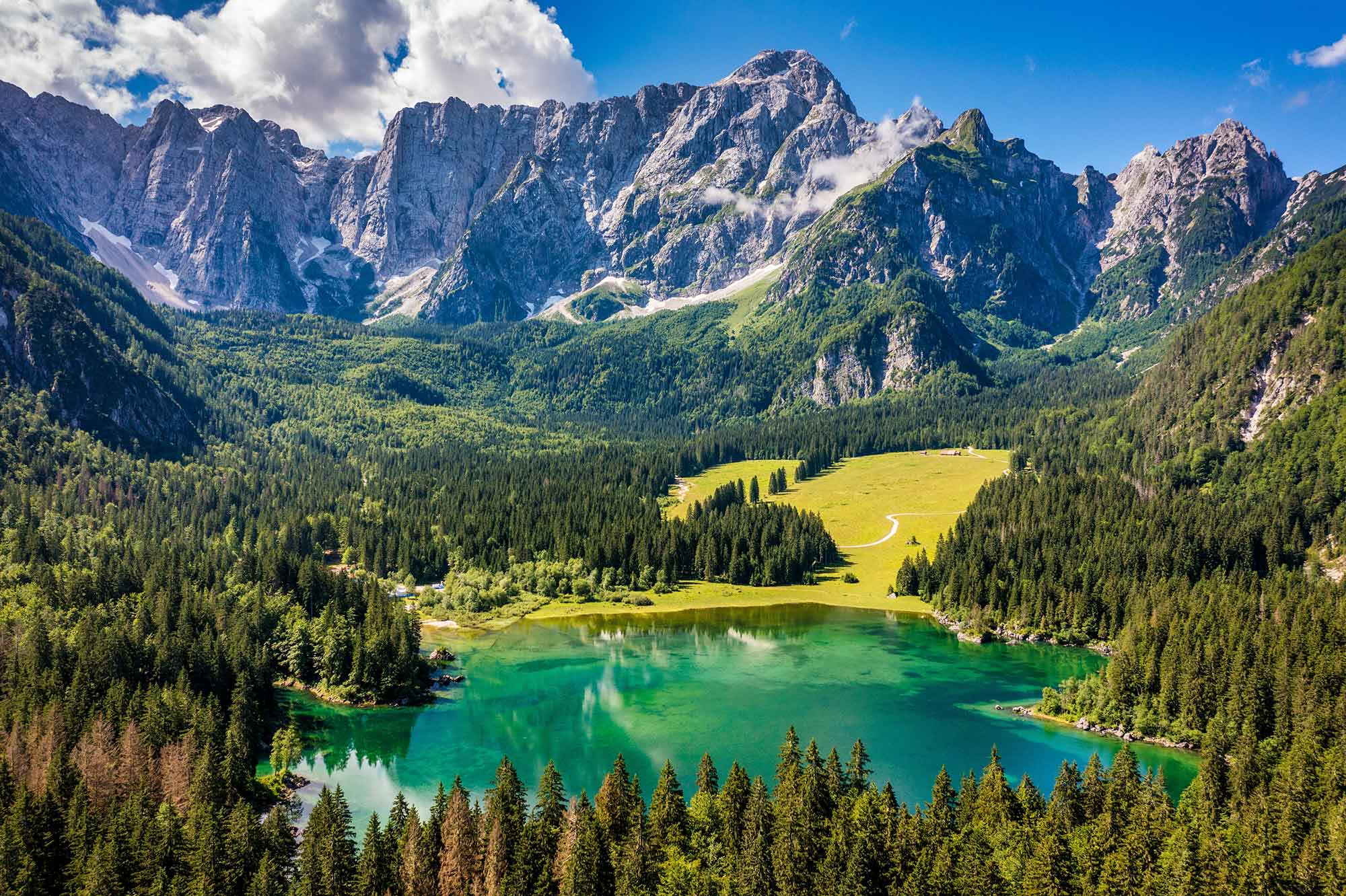
Friuli Venezia Giulia
Northeast of Venice and rarely crowded. Udine’s Venetian arcades, prosciutto in San Daniele, Lombard Cividale del Friuli, star-shaped Palmanova and Habsburg Trieste, where coffee is taken seriously and Miramare Castle sits on the sea.
A lovely add-on for travelers who know Venice and want something new.
Abruzzo
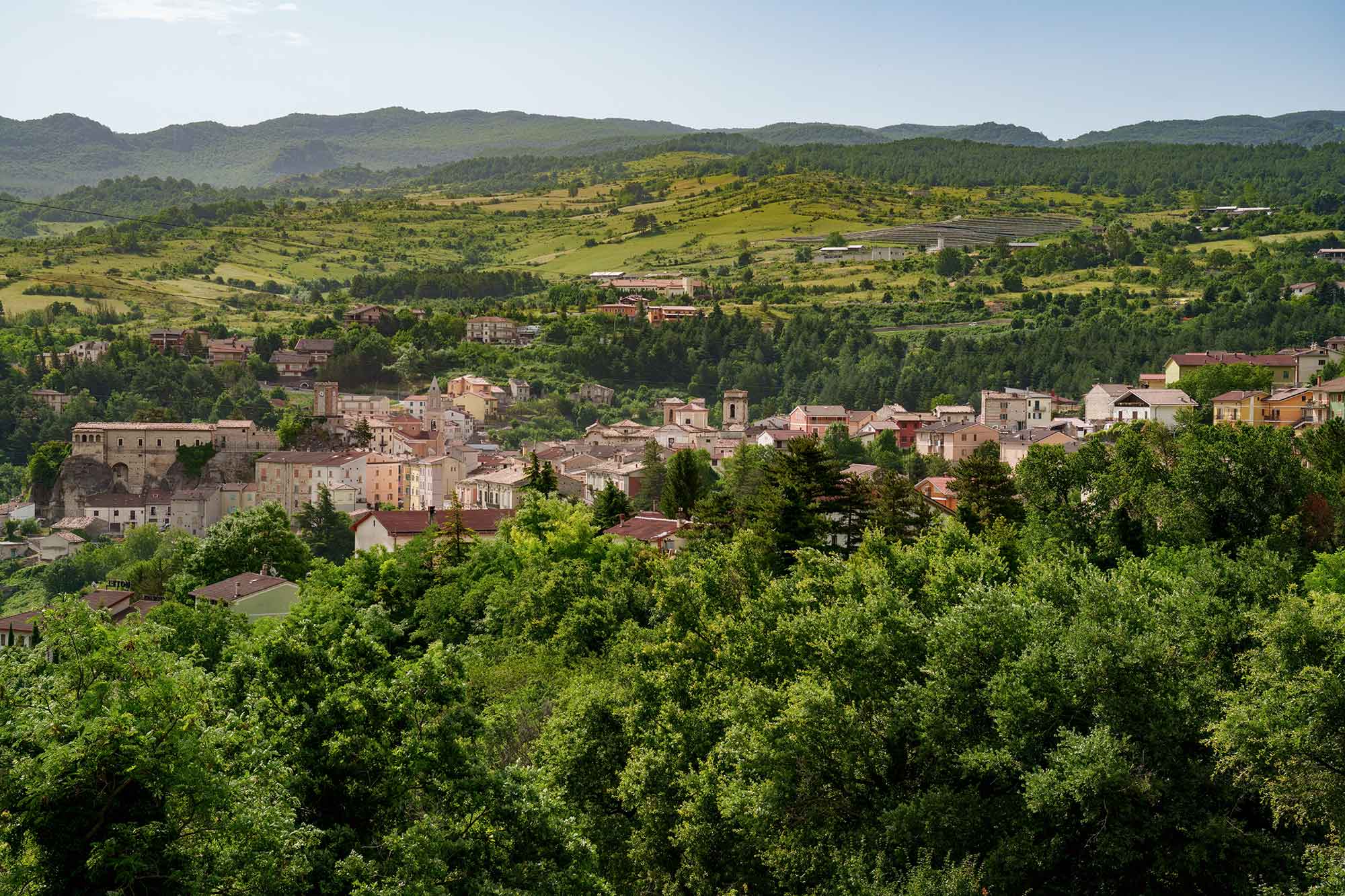
Mountains, medieval villages and the towns many Italian-American families came from. Sulmona and its confetti, Pacentro, the fortress at Rocca Calascio and the high plateau of Campo Imperatore. Two hours from Rome, and a world away.
The heart of many of the heritage trips we plan.
Start With a Conversation
Three quick answers and your details. An Italian-born planner calls you within one business day to listen first, then sketch the trip. Prefer the phone? We are in Houston, on Central time.
Talk to a Trip Planner
Three quick answers and your details.
Choosing Where to Go
For a first trip, most travelers combine Rome with Florence and Tuscany, then add Venice or the Amalfi Coast. Couples who want the sea favor the Amalfi Coast and Capri; families often pair Rome with Sorrento; food and wine lovers head for Tuscany, Piedmont and Emilia-Romagna. Tell us the season and how many nights you have, and we suggest a route.
Three bases is the sweet spot for ten days, with three or four nights in each. That leaves time for day trips with a driver, a day on the water and an afternoon with nothing planned. More bases mean more packing and less Italy.
Yes, all twenty. Abruzzo, Friuli Venezia Giulia, Marche, Puglia and Basilicata are some of our favorite places to send travelers who know the classic route, and heritage trips often begin in the towns families came from.
We arrange private drivers between cities, and high-speed trains where they are faster, with a driver waiting at the station. On the Amalfi Coast and Lake Como we often move you by private boat. You never manage luggage or connections on your own.
Pick the regions. We will draw the route.
No obligation. A planner calls within one business day.